


The 10 Leadership Principles of Liberating Structures –
How Participation Becomes a Daily Practice
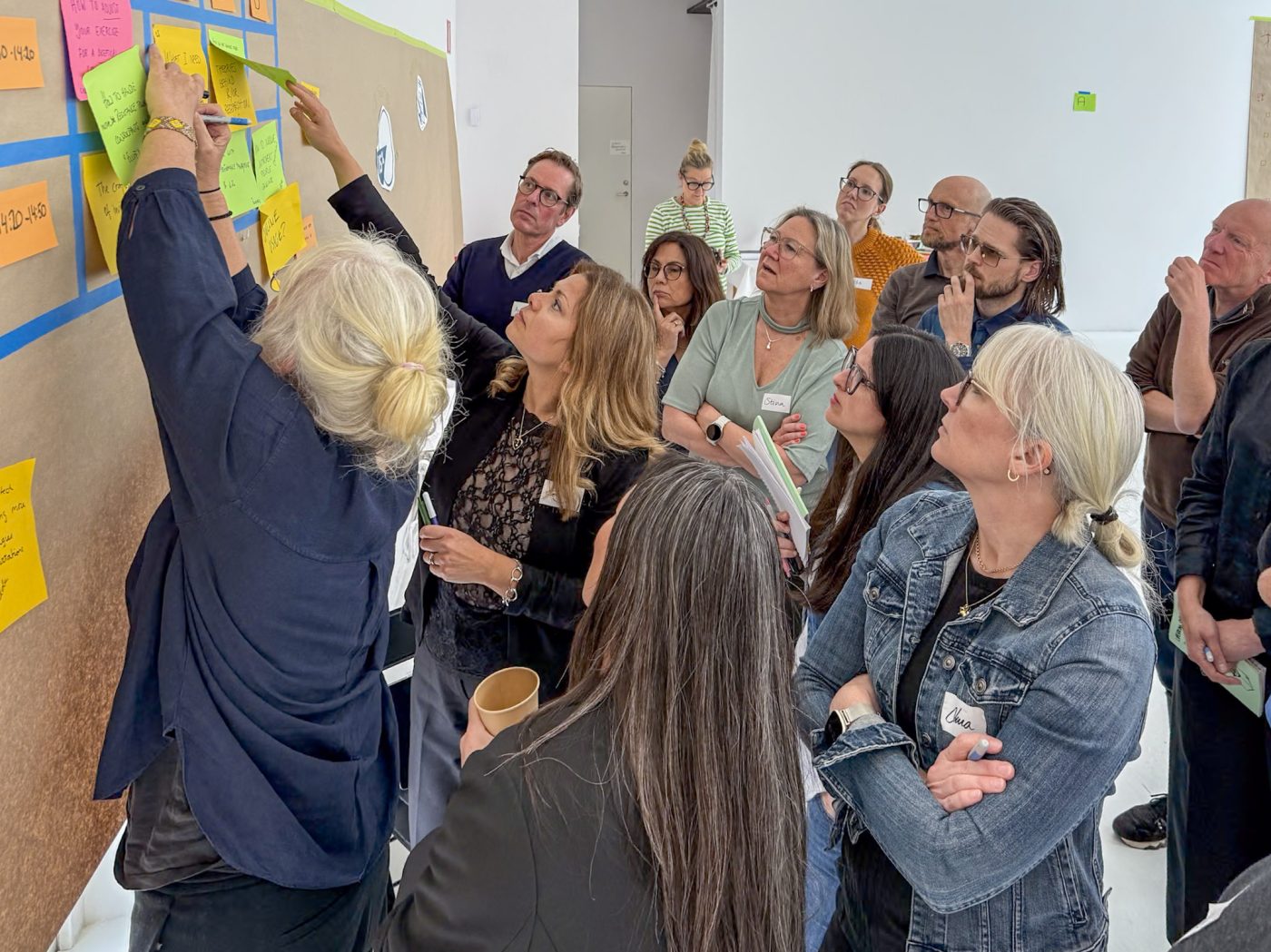
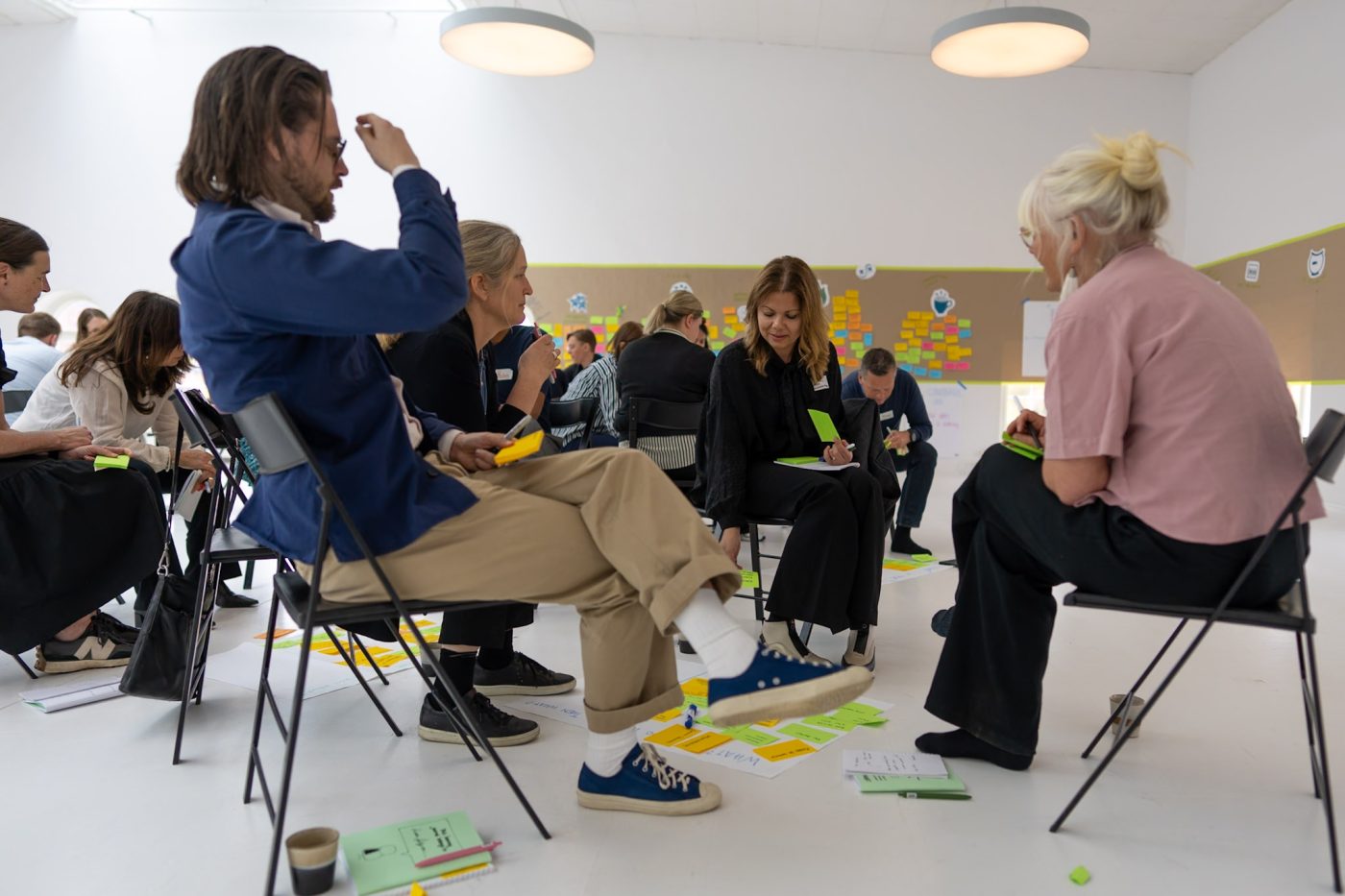
Liberating Structures make it possible—without making it complicated—to tap into the collective intelligence of groups and work together on real challenges. By intentionally including everyone and providing simple structures for interaction, people are not only invited to participate; they are enabled to contribute something meaningful and unique.
Across organizations, communities, and networks worldwide, one pattern keeps returning: when Liberating Structures are used to create the right conditions, the most valuable insights and ideas often come from unexpected places. Not because people suddenly change, but because the interaction finally allows them to show up.
Leadership Principles That Emerge in Practice
Based on years of practice, ten Leadership Principles consistently emerge when Liberating Structures become part of daily work. These principles are not imposed; they grow out of experience. They describe what leadership looks like when participation, learning, and shared responsibility are taken seriously.
Why Purpose Becomes Visible When Participation Broadens
One of the first things Liberating Structures reveal is whether a group has a clear, shared purpose. As soon as participation broadens, confusion and unspoken differences surface. This is not a problem—it is information. In many groups, a clear purpose never truly existed, simply because not everyone was invited to help define it.
This is why Never start without clear purpose is inseparable from Include and unleash everyone and Practice self-discovery within a group. Purpose that is defined without people rarely becomes purpose people commit to. Liberating Structures offer concrete ways for groups to discover purpose together—rather than receiving it from above.
Beyond Best Practices and Top-Down Solutions
The same dynamic applies when exploring challenges and developing solutions. Many organizations rely on imported best practices or top-down decisions. The assumption is that what worked elsewhere will work here as well. Experience shows otherwise.
Context, culture, and people matter more than we often want to admit. When local knowledge is ignored, resistance tends to follow—not because people are unwilling, but because the solution does not fit their reality.
Leadership as Shaping Conditions, Not Providing Answers
Liberating Structures, guided by the Leadership Principles, take a different approach. Instead of transferring answers, they help groups discover solutions that are acceptable, workable, and meaningful in their own context. Leadership shifts from providing answers to shaping the conditions in which people can think, learn, and decide together.
How the Principles Reinforce Each Other Over Time
Over time, the principles reinforce one another:
-
trust grows through shared action
-
experimentation replaces fear of failure
-
freedom is balanced with responsibility
-
curiosity and playfulness support serious work
-
existing patterns are questioned to make space for innovation
In practice, the Leadership Principles and the microstructures work hand in hand. The structures make it easier to act in line with the principles. And as the principles become familiar, leadership becomes less about authority and more about collective stewardship of what emerges.
Leadership That Lives in Interaction
Liberating Structures do not promise control. They offer something more realistic—and more powerful: the ability to work with complexity by engaging everyone who is part of it.
When Liberating Structures are used regularly, leadership stops being something that happens on top of a group and becomes something that happens within the interaction itself. Certain patterns begin to repeat—not because they are prescribed, but because they work.
Over time, these patterns can be recognized as ten recurring principles. Each principle highlights a different aspect of what it takes to work, learn, and decide together in more inclusive and effective ways. None of them stand alone; they reinforce and depend on one another.
How to Read the Principles That Follow
The sections below explore each Leadership Principle in more detail—not as ideals to strive for, but as practical lenses for noticing what is already happening in your own conversations, meetings, and collaborations.
Practical
The 10 Leadership Principles Explained
1. Include and Unleash Everyone
Liberating Structures start from a simple assumption: everyone has something valuable to contribute. Not all at once or in the same way, but in ways that matter. Inclusion is not a moral stance—it is a practical strategy for better outcomes.
In practice, this means designing conversations so more people can think and speak for themselves. In meetings, this may mean creating individual reflection before discussion; at home or in communities, it can be as simple as slowing the pace so quieter voices are heard. The result is often the same: better ideas, more ownership, and greater engagement.
2. Practice Deep Respect for People and Local Solutions
The people closest to a situation often hold the most relevant knowledge. Liberating Structures help groups discover what already works locally, rather than importing one-size-fits-all solutions.
In organizations, this can mean learning from teams that succeed within constraints instead of introducing another framework. In personal or community settings, it may mean trusting lived experience over outside advice. The result is practical respect: solutions fit better because they grow from the context they need to work in.
3. Never Start Without Clear Purpose
When participation widens, a lack of shared purpose becomes visible quickly. Confusion or hesitation often signal that the purpose was never truly clear—or shared.
Liberating Structures help make purpose explicit by inviting people to explore it together. In work settings, this prevents discussions from drifting; in families or volunteer groups, it aligns expectations early. Purpose discovered together is far more likely to lead to action.
4. Build Trust as You Go
Trust is not a prerequisite; it is an outcome. Liberating Structures create small, safe interactions where trust can grow through experience.
For example, sharing ideas in pairs before speaking in a group lowers risk and builds confidence. Over time, in teams, communities, or classrooms, these moments add up. Trust becomes grounded in what people do together, not in promises or assumptions.
5. Learn by Failing Forward
In complex situations, learning requires experimentation. Liberating Structures encourage small, safe-to-fail steps followed by reflection.
In organizations, this may mean testing ideas quickly instead of waiting for perfect plans; in personal projects, trying something new without tying identity to the outcome. Mistakes become information, helping people adjust and move forward rather than freeze or blame.
6. Practice Self-Discovery Within a Group
Lasting insight comes from experience, not instruction. Liberating Structures invite people to discover insights for themselves, together.
Instead of being told what the problem is, groups reflect on their own experiences and patterns. In teams, this often leads to deeper understanding than expert advice alone. In personal or community contexts, it helps people feel seen and respected. What is discovered together is more likely to stick.
7. Amplify Freedom and Responsibility
Freedom without responsibility leads to chaos. Responsibility without freedom leads to disengagement. Liberating Structures intentionally balance both.
Participants are given real influence over ideas and next steps, while also being invited to take responsibility for outcomes. In a workplace, this might mean teams shaping their own actions instead of following imposed plans. In everyday life, it can mean shared agreements instead of unspoken expectations. Ownership grows when people help shape the direction.
8. Emphasize Possibilities: Believe Before You See
Liberating Structures encourage groups to explore what might be possible before focusing on constraints. This shift often unlocks energy and creativity.
In organizations, starting with possibilities can break cycles of cynicism. In personal conversations, it can change the tone from problem-heavy to hopeful. This principle doesn’t ignore reality—it creates space for imagination before narrowing options.
9. Invite Creative Destruction to Make Space for Innovation
Innovation often requires letting go of habits or practices that no longer serve the group. Liberating Structures help surface these patterns without blame.
For example, a team might realize that a recurring meeting adds little value, or a family might notice routines that create tension instead of connection. Creative destruction here is gentle but honest: making room for new ways of working that fit current needs.
10. Engage in Seriously-Playful Curiosity
Playfulness lowers barriers. Curiosity opens minds. Liberating Structures combine both to support serious work without unnecessary heaviness.
Simple playful elements—like drawing, storytelling, or time-boxed exploration—help people relax and engage more fully. In work settings, this often leads to better thinking. In personal or community settings, it builds connection and trust. Serious outcomes don’t require serious faces.


A Shared Language for Leading Together
How the Principles Work Together
Individually, each principle highlights one aspect of inclusive leadership. Together, they describe a fundamental shift: from directing outcomes to shaping conditions in which collective intelligence can emerge.
Liberating Structures make these principles actionable through concrete microstructures. Over time, what starts as a way of working becomes the culture itself.
Leadership, in this view, is not about having the answers—but about enabling groups to discover them together.
In Summary: The 10 Leadership Principles
-
Include and unleash everyone
-
Practice deep respect for people and local solutions
-
Never start without clear purpose
-
Build trust as you go
-
Learn by failing forward
-
Practice self-discovery within a group
-
Amplify freedom and responsibility
-
Emphasize possibilities: believe before you see
-
Invite creative destruction to make space for innovation
-
Engage in seriously-playful curiosity